
Energy Performance Certificates in Essex
Energy Performance Certificates (EPCs)
When is an Energy Performance Certificate required?
Most residential properties that are marketed for sale or rent require a valid EPC when it is offered for sale or rent in the market, although limited exemptions apply. EPC compliance in Essex is an established part of the property-marketing process, yet it remains one of the most common reasons a listing gets delayed. If a valid EPC is not already available, it must generally be commissioned before the property is marketed across property portals and other marketing channels. The seller, landlord or agent must then make reasonable efforts to obtain the certificate within the applicable timeframe.
Energy Performance Certificates (EPCs) rate a property’s energy efficiency from A to G and remain valid for ten years. The rating affects more than compliance. It influences a buyer’s running costs, a tenant’s monthly bills, and increasingly, a buyer’s decision to view the property as energy costs stay firmly on people’s minds.

Advantages of a Professional EPC Assessment
Faster Listings, No Delays
Full Legal Compliance
Meeting the EPC requirements helps sellers, landlords and agents comply with their legal responsibilities. Failure to meet the applicable Energy Performance Certificate requirements may result in enforcement action and a civil financial penalty. These requirements are generally enforced by the local authority through Trading Standards
Enhanced buyer and tenant confidence
A stronger rating may help buyers and tenants understand the property’s relative energy efficiency, although it does not guarantee future energy bills. Clearly displaying the rating helps prospective buyers and tenants make a more informed comparison between properties.
One Visit, All-In-One Package
Book your EPC with photography, videography or floor plans and one assessor visit takes care of everything your listing needs, saving time for agents with multiple properties across Essex.
Who may need an EPC in Essex?
Estate Agents and Letting Agencies
Homeowners Selling Privately
If you are selling your own home, then an EPC is a legal requirement before you can put the property on the market, whether you are using an agent or going it alone.
Landlords and Letting Agents
Landlords must make a valid EPC available to prospective tenants when required and provide it to the person who ultimately becomes the tenant, and the E rating can directly affect how quickly a landlord finds a suitable tenant.
Developers and New Build Marketers
New homes require an energy assessment and EPCs through the applicable Building Regulations and on-construction assessment process.
What affects an EPC rating?
There are a number of factors that go into the final rating your property receives, and knowing these can help you to improve your score when it comes to your next assessment. The quality of insulation in your walls, loft and floors is a key contributor, as is the age and efficiency of your boiler or heating system. Double glazing, LED lighting and the presence of renewable technology such as solar panels can all help to boost a rating.
Some older properties may achieve lower ratings where they have limited insulation, older heating systems or less efficient glazing, although the result depends on the individual building. Especially period homes in towns like Maldon or Saffron Walden, simply because original building materials have been used. Measures such as draught proofing, loft insulation, low-energy lighting or heating upgrades may improve the rating, depending on the property and the recommendations shown on its EPC. The completed EPC includes recommended measures that may improve the property’s energy performance, together with indicative costs and potential benefits where available.
Energy Performance Certificates (EPCs) rate a property’s energy efficiency from A to G and remain valid for ten years. The rating affects more than compliance. It influences a buyer’s running costs, a tenant’s monthly bills, and increasingly, a buyer’s decision to view the property as energy costs stay firmly on people’s minds.
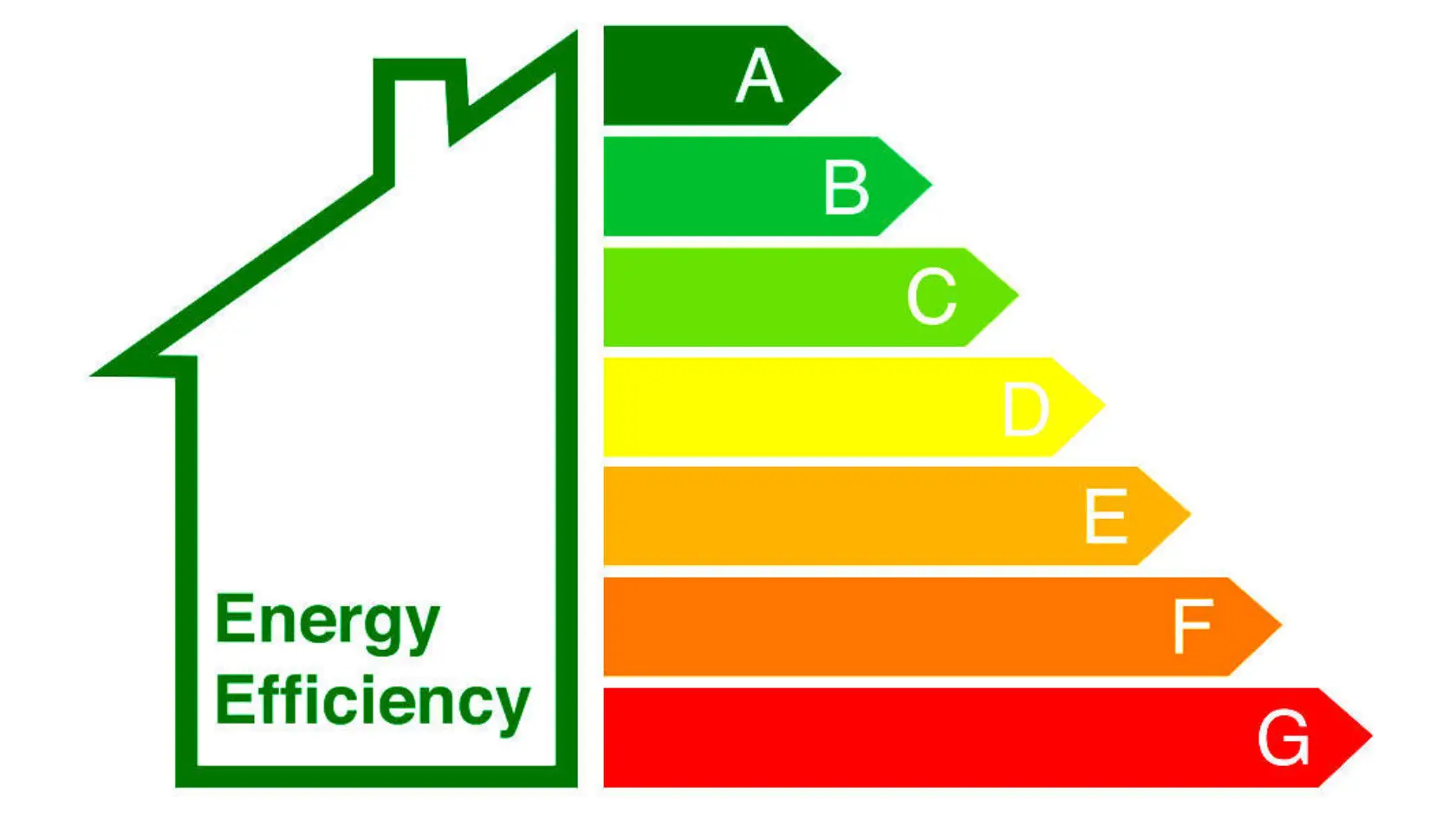
More Than Just a Legal Requirement
The Energy Performance Certificate is more than just a legal requirement. It provides buyers and tenants with an insight into a property’s running costs before they commit to a viewing, and it safeguards agents and sellers from the penalties associated with an expired or missing certificate. An EPC, together with professional photography, floor plans and video content, completes the picture that buyers expect from a well-marketed listing.
If you are marketing a property anywhere across Essex, an up-to-date Energy Performance Certificate is not optional. It is the detail that keeps your listing compliant and ready to go live the moment you need it. Book your EPC assessment alongside your next photography session and remove one more obstacle from your marketing timeline.
EPC requirements vary according to the property, transaction and any applicable exemption. This page provides general information and is not legal advice.
Frequently Asked Questions
How long does an EPC remain valid?
An Energy Performance Certificate is normally valid for 10 years, or until a newer EPC is produced for the property. If substantial energy-efficiency improvements are completed, the owner may choose to obtain a new assessment so the current rating reflects those changes.
Can I book an EPC with photography or floor plans?
Yes. We can coordinate your EPC assessment with property photography, videography or floor-plan services, subject to availability and the property’s requirements.
What are the penalties for not having a valid EPC?
Failure to commission, obtain or make an EPC available when required may lead to enforcement action and a civil penalty. Responsibility may rest with the seller, landlord or agent, depending on the circumstances.
How long does an EPC assessment take?
The time required depends on the property’s size, layout, construction and accessibility. Many standard homes can be assessed within approximately an hour, but larger or more complex properties may take longer.
Does a low EPC rating affect my ability to sell or let a property?
A low rating does not normally prevent a property from being sold. However, relevant privately rented properties generally need to achieve at least EPC band E before they can be let, unless a registered exemption applies. The rules depend on the property and tenancy, so landlords should check the current requirements.